The Relationship Between Sleep and Mental Health
Sleep disruption doesn't just accompany depression — it can cause it. The bidirectional relationship between sleep and mood disorders.
Dr. Aisha Patel
PhD, Health Psychologist
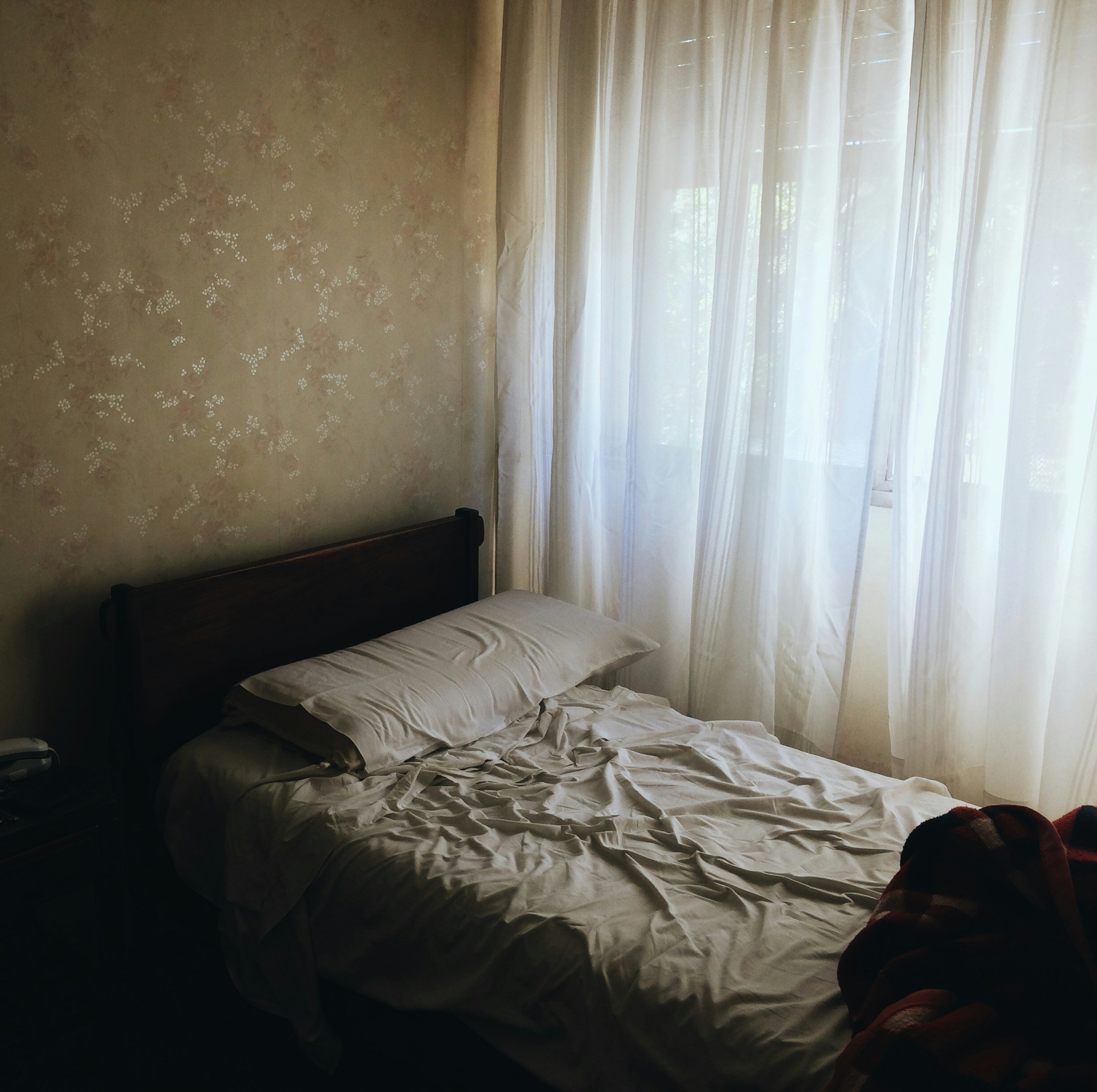
For decades, sleep problems were considered a symptom of mental health conditions — a consequence of depression, anxiety, or PTSD. We now know the relationship is bidirectional: sleep disruption doesn't just accompany mental illness; it can cause it, maintain it, and predict relapse.
How Sleep Deprivation Affects the Brain
Even a single night of poor sleep increases amygdala reactivity by up to 60%, according to neuroimaging research. The prefrontal cortex — which regulates emotional responses — shows reduced connectivity with the amygdala after sleep deprivation, leaving emotions less regulated and more reactive.
Chronic sleep deprivation disrupts the HPA axis (the body's stress response system), elevates inflammatory markers, and impairs neuroplasticity — the brain's ability to form new connections. All of these are implicated in depression and anxiety.
Sleep Architecture and Mental Health
It's not just the quantity of sleep that matters — it's the architecture. REM sleep, in particular, plays a critical role in emotional processing. During REM, the brain replays emotional memories in a neurochemical environment that is low in noradrenaline — essentially processing emotional experiences without the stress response. Disrupted REM sleep impairs this process.
CBT for Insomnia (CBT-I) is the first-line treatment for chronic insomnia and has been shown to reduce symptoms of depression and anxiety alongside improving sleep. It is more effective than sleep medication in the long term.
Evidence-based sleep hygiene principles:
- Consistent sleep and wake times (even on weekends)
- Avoiding screens 60 minutes before bed
- Keeping the bedroom cool, dark, and quiet
- Avoiding caffeine after 2pm
- Getting out of bed if unable to sleep after 20 minutes
- Regular physical exercise (but not within 3 hours of bedtime)
Dr. Aisha Patel
PhD, Health Psychologist
Dr. Patel is a health psychologist specialising in sleep medicine and its intersection with mental health. She runs a sleep clinic at a major teaching hospital.
This article is for educational purposes only and does not constitute medical advice. If you are experiencing mental health difficulties, please consult a qualified healthcare professional.